
Tonometry
Tonometry measures intraocular pressure using a contact or non-contact method.
Learn moreTonometry measures intraocular pressure using a contact or non-contact method.
Learn moreOCT produces cross-sectional images of eye structures without surgery.
Learn moreUltrasound assesses internal eye structures, including those obscured during a routine examination.
Learn moreCataract assessment confirms lens clouding and its effect on vision. Other eye structures are also examined to determine whether surgery is indicated and what result may be expected.
Vision is gradually becoming hazy, with lower contrast or less vivid colours.
Glare, halos or increasing difficulty with night or low-light vision has appeared.
Spectacle prescriptions change but do not restore the previous level of clarity.
Cataract has already been diagnosed and the patient needs to know whether surgery is appropriate now or follow-up is reasonable.
Surgery is planned and biometry, keratometry and IOL calculation are required.
Astigmatism, diabetes, glaucoma, high myopia or retinal disease may affect IOL choice or expected visual outcome.
A second opinion is needed before cataract surgery or the cause of reduced vision remains uncertain.
Cataract may coexist with glaucoma, diabetic retinopathy, macular disease or optic nerve pathology, so finding lens opacity does not guarantee that cataract surgery alone will restore full vision.
The decision to proceed to surgery should reflect visual function and impact on daily life, not one visual-acuity threshold or cataract “maturity” alone.
Bring previous ophthalmology reports, records of eye surgery and a list of regular medicines. If pupil dilation is planned, near and distance vision may temporarily worsen and light sensitivity may increase, so discuss driving after the visit in advance. For accurate IOL planning, tell the doctor about previous eye diseases, laser vision correction or corneal surgery, contact lens use and your preferred postoperative visual target.
For accurate IOL calculation, tell the doctor about previous eye conditions, laser vision correction, corneal operations, contact lens use and your preferred postoperative vision.
Gradual blur can be consistent with cataract, but sudden loss of vision, flashes, a curtain-like field defect, new severe pain, marked redness, trauma or a sudden shower of floaters requires urgent assessment and should not wait for a routine cataract appointment.
Gradual blur can be consistent with cataract, but sudden loss of vision, flashes, a curtain-like field defect, new severe pain, marked redness, trauma or a sudden shower of floaters requires urgent assessment and should not wait for a routine cataract appointment.
Book an eye examination
The doctor reviews symptoms, rate of visual decline, previous eye operations, chronic conditions and frequently used medicines.

Vision is assessed without correction and with the best possible correction.

Slit-lamp examination assesses the cornea, anterior chamber and location and density of lens opacities.
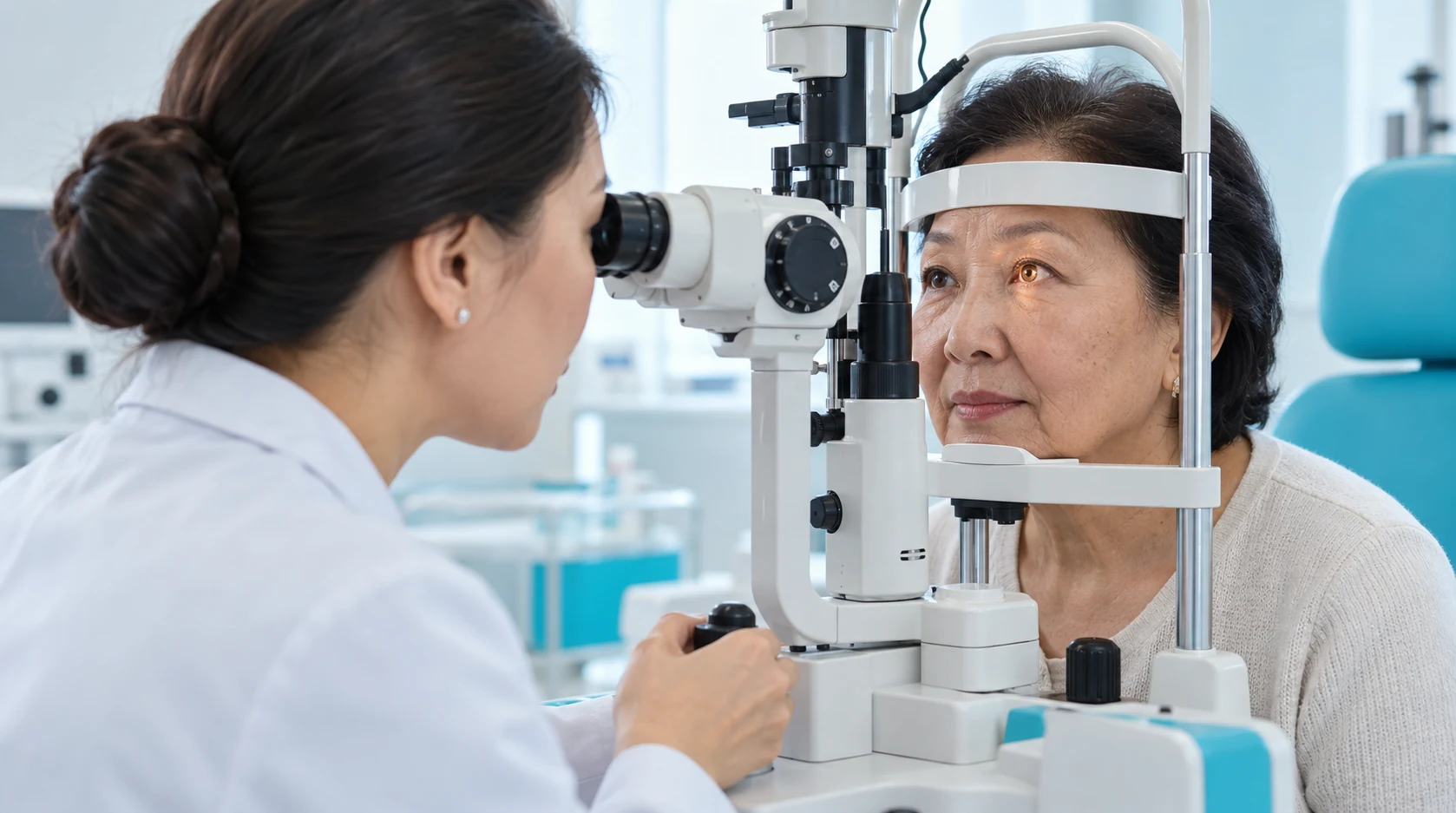
Helps detect associated ocular hypertension or glaucoma.
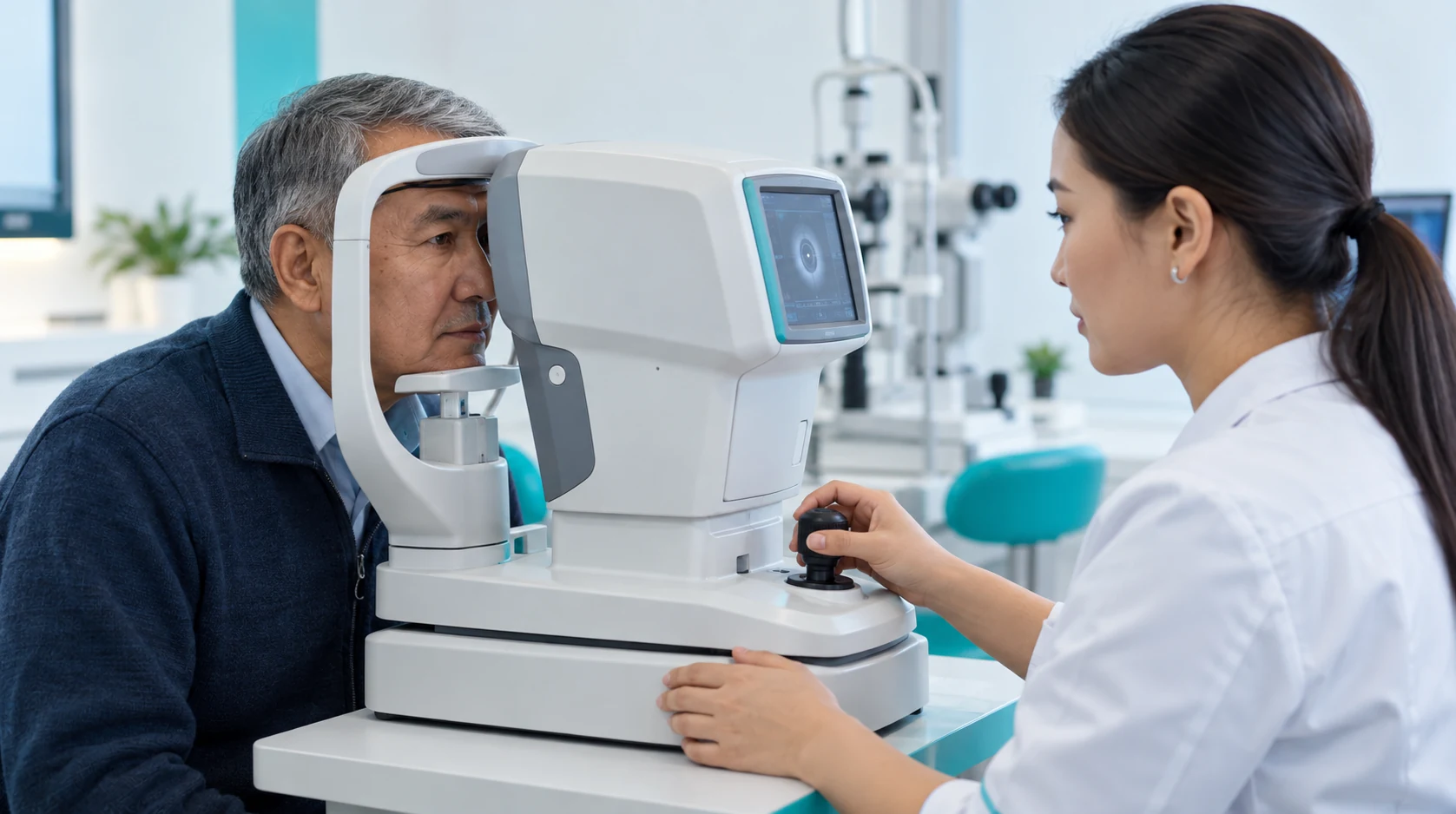
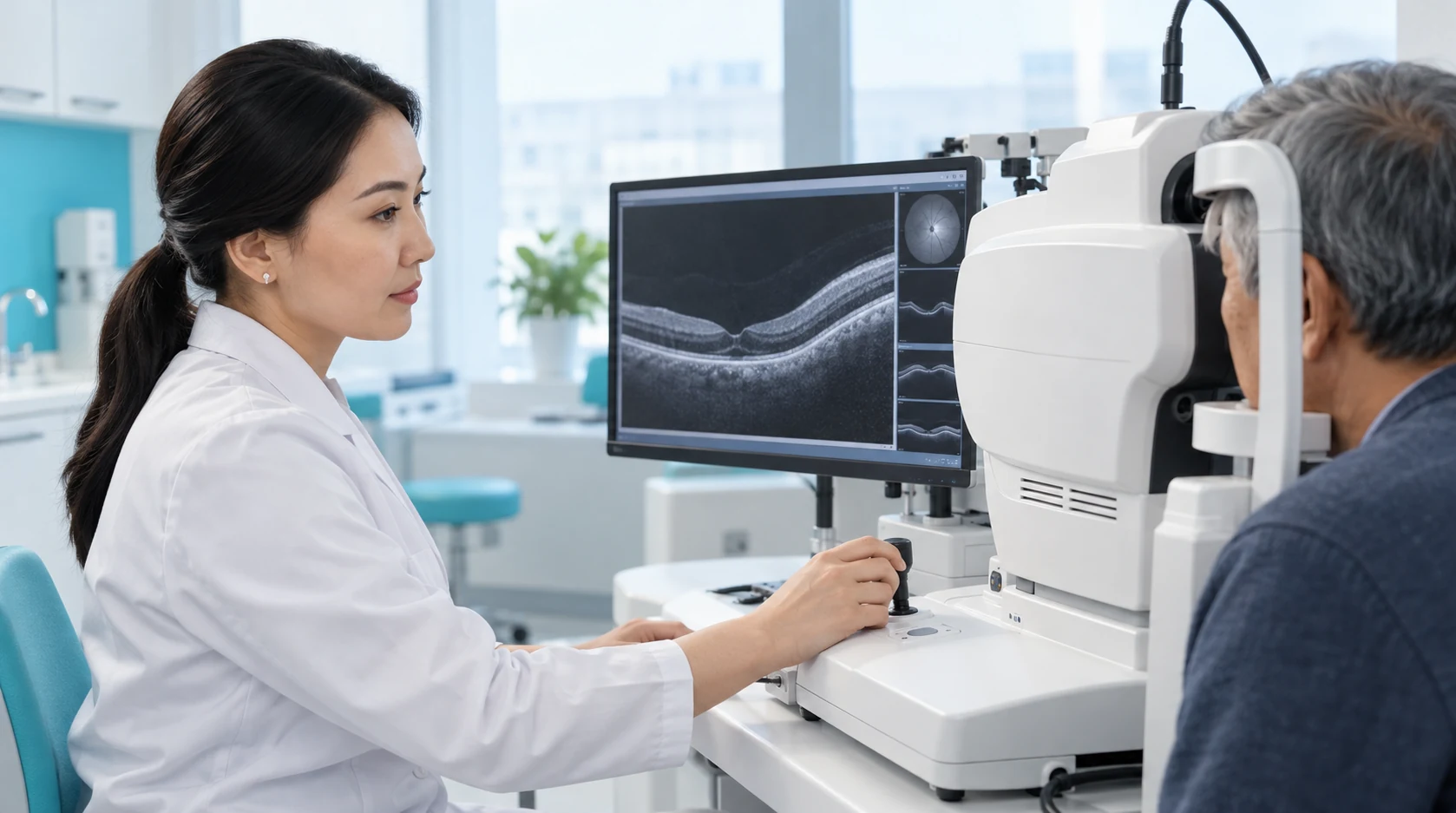
The retina and optic nerve are assessed if media clarity permits.
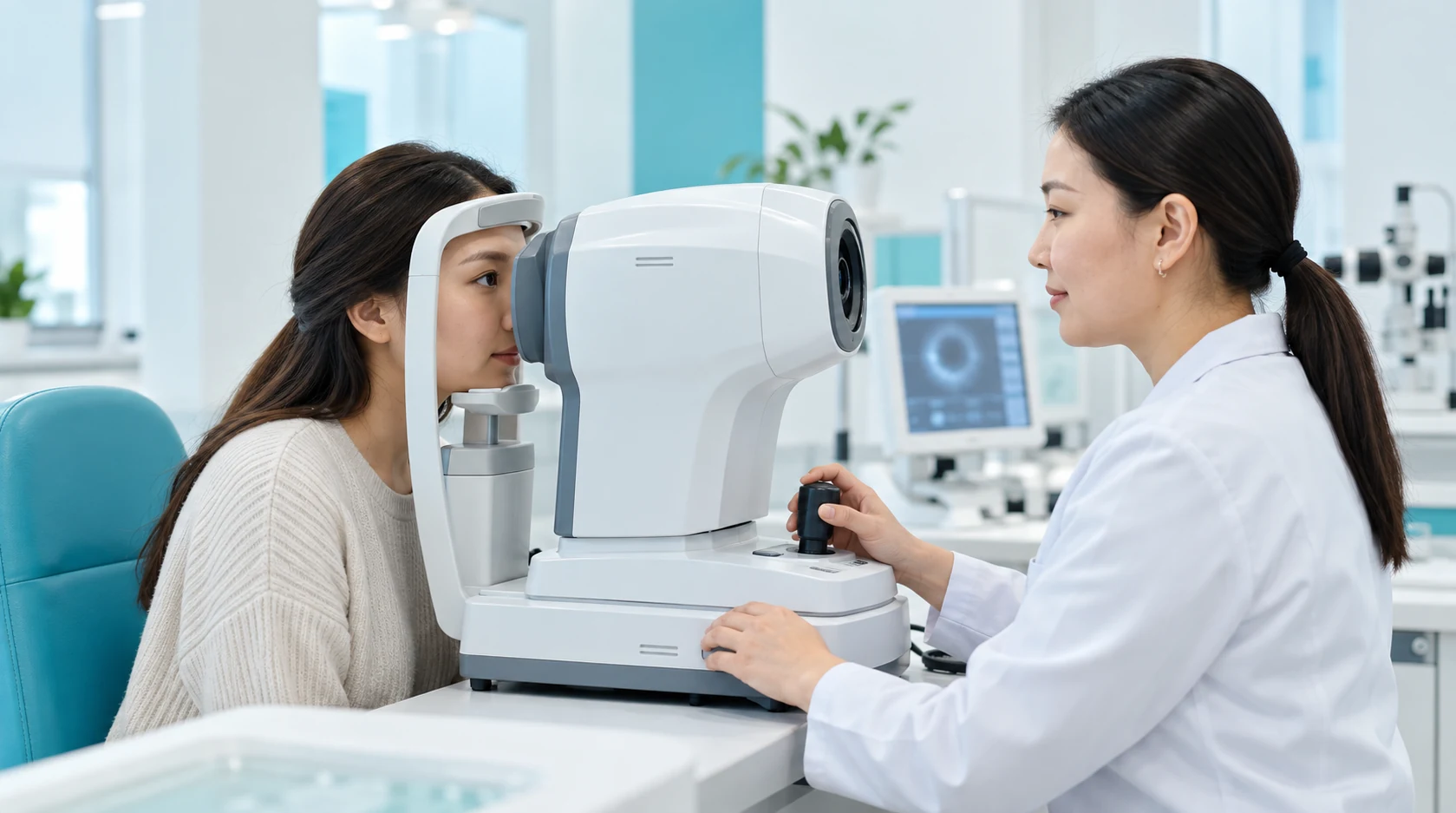
Eye length and corneal measurements are obtained for IOL calculation.
OCT, B-scan, corneal topography or tomography, endothelial microscopy, electrophysiology and other tests.
The doctor explains how cataract affects vision, whether more tests are needed and whether surgery is indicated.
Examination helps determine how much cataract contributes to symptoms and whether other causes are present.
Biometry determines the eye measurements needed to calculate an artificial lens and plan surgery.
Retinal and other examinations help estimate the potential for improvement after cataract removal.
Biometry and corneal assessment provide a basis for calculating an artificial lens.
The doctor will assess the lens, visual function and relevant ocular structures; if surgery is being considered, the required measurements for IOL calculation will be arranged and the next step will be explained.
A team of experienced doctors across specialties.

Candidate of Medical Sciences; Highest-category ophthalmologist

Candidate of Medical Sciences; Highest-category ophthalmologist

Candidate of Medical Sciences; Highest-category ophthalmologist

Candidate of Medical Sciences; Highest-category ophthalmologist

Highest-category ophthalmologist

Highest-category ophthalmologist

Highest-category ophthalmologist

Highest-category ophthalmologist
Highest-category ophthalmologist

Highest-category ophthalmologist
A cataract assessment serves two distinct purposes: identifying the cause of reduced vision and, if surgery is being considered, gathering the information needed to plan it.
The first goal is to confirm that reduced visual quality is related to clouding of the natural lens, rather than solely to a change in glasses prescription, corneal disease, glaucoma, or a condition affecting the macula or optic nerve.
The assessment includes:
The second goal arises when cataract surgery is being considered as the next step.
Accurate measurements of eye length and corneal curvature are needed to calculate intraocular lens (IOL) power. Astigmatism and the patient’s visual needs are also assessed.
With a dense cataract that prevents an adequate view of the fundus, a B-scan ultrasound may be required.
OCT of the retina and optic nerve, corneal topography or tomography, corneal endothelial microscopy, and other tests are performed when indicated.
The assessment should provide both a diagnosis and a plan the patient understands: monitoring, further diagnostic testing, or a discussion of surgery and IOL type.
A cataract may already be visible to the clinician during slit-lamp examination, but the patient needs to understand how much it affects vision and whether other factors may limit the surgical outcome.
The assessment before deciding on surgery therefore involves more than examining the lens alone.
If surgery is not yet needed, the clinician will establish a monitoring plan.
If surgery is indicated, the diagnostic findings provide the basis for intraocular lens (IOL) power calculation, discussion of the target refraction, and lens selection according to astigmatism, retinal health, and the patient’s visual needs.
Related information: Retinal diseases, Glaucoma, Patient information.
Kazakhstan’s first specialized ophthalmology institute, operating since 1933.
Modern diagnostics and surgery using world-class equipment.
Leading ophthalmologists in Kazakhstan, scientists and experienced surgeons.
More than 30,000 operations and around 270,000 consultations annually.


Kazakhstan’s first specialized ophthalmology institute, operating since 1933.
Modern diagnostics and surgery using world-class equipment.
Leading ophthalmologists in Kazakhstan, scientists and experienced surgeons.
More than 30,000 operations and around 270,000 consultations annually.
Kazakhstan’s first specialized ophthalmology institute, operating since 1933.
Modern diagnostics and surgery using world-class equipment.
Leading ophthalmologists in Kazakhstan, scientists and experienced surgeons.
More than 30,000 operations and around 270,000 consultations annually.


